

Echoes of Memory in Paint
koowipublishing.com/Updated: 23/04/2026
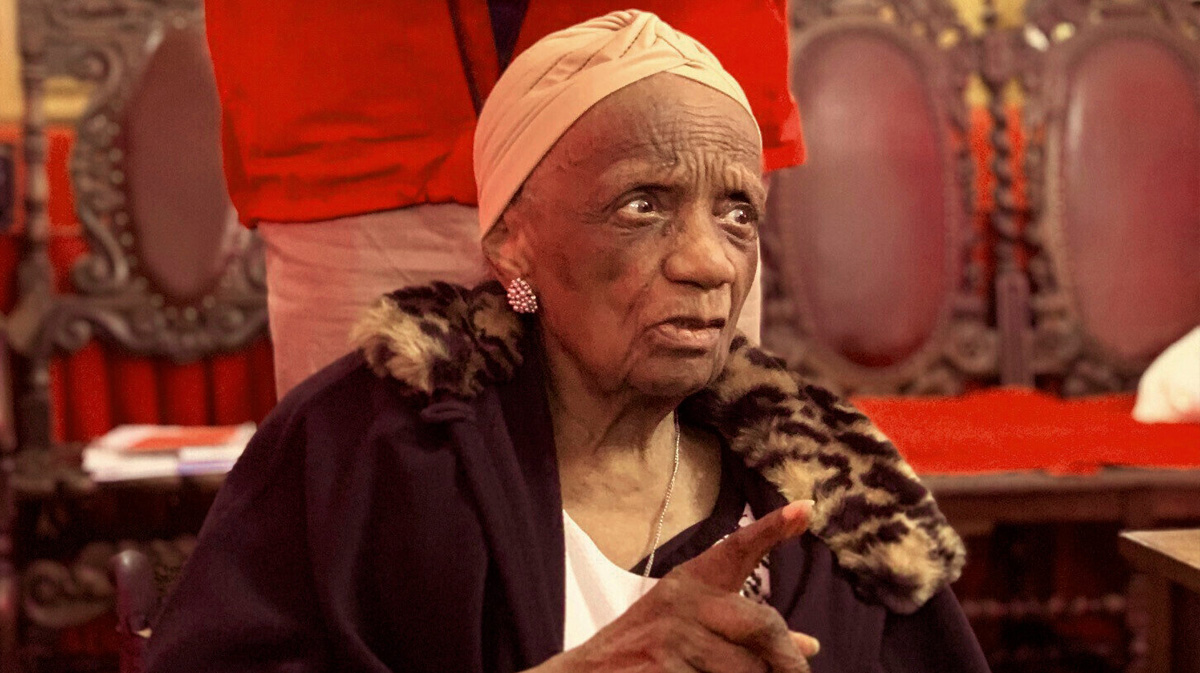
Description
Helen LaFrance was an American folk artist whose work stands as a vivid testament to memory, storytelling, and cultural preservation. Born in 1919 in Kentucky, she lived much of her life outside the traditional art world, only gaining recognition later in life. Her paintings are deeply rooted in her personal experiences and the collective memory of African American life in the rural South. Through her art, she captured scenes that might otherwise have been lost to time.
LaFrance did not begin painting seriously until she was in her seventies, making her emergence as an artist both unusual and inspiring. Before that, she worked various jobs, including as a domestic worker and cook. These life experiences became the foundation for her artistic voice. Without formal training, she relied on intuition and memory, which gave her work an authenticity that resonated strongly with audiences.
Her paintings often depict everyday moments—children playing, families gathering, or people working in fields. These scenes are not grand or dramatic, but they carry emotional weight. They reflect a world shaped by hardship, resilience, and community. Her ability to transform ordinary moments into powerful visual narratives is one of the defining features of her work.
Color plays a significant role in LaFrance’s paintings. She used bright, bold hues that bring warmth and vibrancy to her scenes. Even when depicting difficult aspects of life, her use of color suggests hope and vitality. This balance between realism and optimism gives her work a distinctive emotional tone.
Another important aspect of her art is its connection to oral history. Many of her paintings function like visual stories passed down through generations. They preserve traditions, customs, and ways of life that are often overlooked in mainstream historical accounts. In this sense, her work is not just artistic but also archival.
Religion and spirituality also appear frequently in her paintings. Scenes of baptisms, church gatherings, and spiritual rituals highlight the importance of faith in the communities she portrays. These elements add another layer of meaning, showing how belief systems shape identity and social life.
LaFrance’s work is often categorized as “outsider art” or “folk art,” terms used for artists who operate outside formal artistic institutions. While these labels can be limiting, they also highlight her independence from conventional artistic norms. Her style is unpolished yet expressive, emphasizing feeling over technical precision.
Despite starting late, LaFrance gained recognition relatively quickly once her work was discovered. Galleries and collectors were drawn to the sincerity and narrative power of her paintings. Her art began to be exhibited more widely, bringing her stories to broader audiences.
Her rise to recognition also sparked conversations about who gets to be considered an artist. LaFrance challenged the idea that formal education or early training is necessary for artistic legitimacy. Her success demonstrated that creativity can emerge at any stage of life and from any background.
In addition to their aesthetic value, her paintings serve as cultural documents. They offer insight into African American life in the 20th century, particularly in rural communities. Through her work, viewers gain a deeper understanding of social dynamics, traditions, and lived experiences.
LaFrance continued to paint into her later years, producing a substantial body of work before her death in 2020. Her legacy is one of perseverance and storytelling. She showed that art can be a powerful tool for preserving memory and expressing identity.
Today, Helen LaFrance is remembered as a significant voice in American folk art. Her paintings continue to inspire viewers with their honesty, warmth, and humanity. By turning her memories into art, she ensured that the stories of her life and community would not be forgotten.
Source Link


.jpg)

